


Bottom-up processing refers specifically to information processing in which stimuli are processed beginning from the bottom. It begins with the small details, then builds up to more complicated concepts. This differs from top-down where we begin to create an overall impression of a scene and then search for evidence specific to support of this initial hypothesis. When we look at a street, a city may initially form the impression that the area is chaotic, noisy, and overcrowded. To confirm this hypothesis, they might then search for specific signs of this, for instance individuals pushing through the crowds or noise generated by nearby cars.
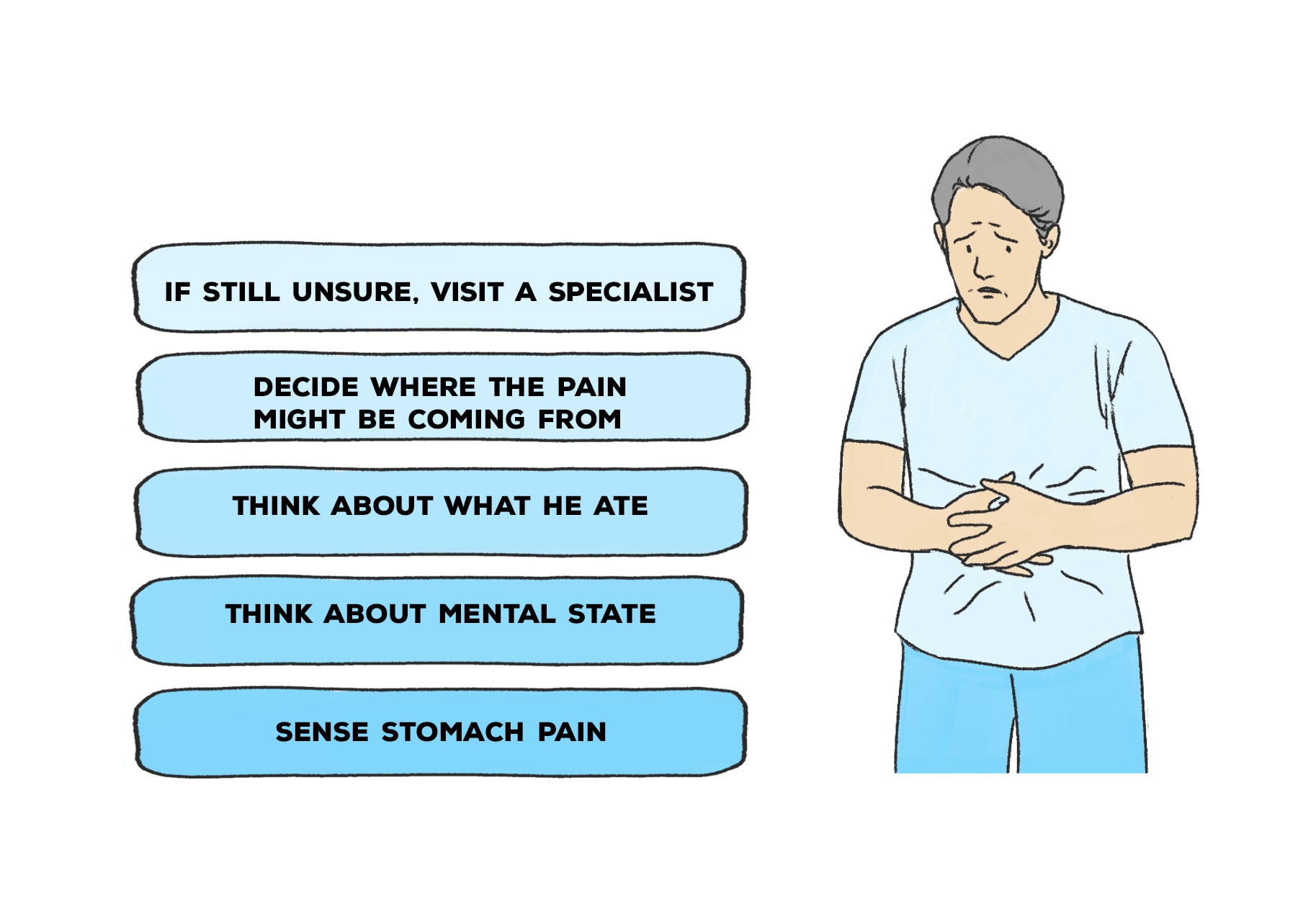
Since bottom-up processing tends be more data-driven and analytical the process has been extensively studied in connection with certain cognitive functions, including memory and perception. It is also used in other areas of our lives like creative and decision-making such as design and art. When used strategically and appropriately it can result in better solutions and more insight into complicated situations. Thus, despite its somewhat negative connotations in academic circles bottom-up processing is extremely useful for understanding both our surroundings, and our personal inner workings.
The brain’s complex functions are at the heart of every thought and action. The processes that occur within this intricate organ play a crucial influence on everything from our brain’s memory and intelligence to our moods and behaviour. Bottom-up processing is one the most significant processes that affect brain function. This refers to the way information is processed from the level of individual neurons, or nerve cells, through interconnected neural pathways and eventually affect the higher cognitive functions, such as awareness and focus. Research has demonstrated that this process could have significant effects on various phenomena such as learning and memory. It can also be employed to treat illnesses such as Alzheimer’s disease or schizophrenia. By better understanding the mechanisms of bottom-up processing that we could be able to unlock some of the mysteries that underlie brain function and pave the way for new and powerful methods in healthcare and neuroscience.
Bottom-up Processing refers to the way that our brain process information. The top-down process is focused on integrating previous knowledge and expectations into learning. Bottom-up processing is dependent on the input of raw data. Through focusing on specific elements that are involved in learning that range from the simplest sounds and vocabulary to complex concepts and ideas, bottom-up processing has been proven to be an extremely effective method for learners of all kinds.
Bottom-up processing has one major advantage: it allows us to step back and examine each element of information we encounter. This keeps us interested and excited to master new concepts, refine existing ones, and identify the potential for improvement. This method also assists us to discern how the various components of information work through logical chains or networks. Bottom-up processing is a great way to develop as better learners and efficient communicators through bottom-up processing.
For more information, click Practical Psychology