


Retail and service landscapes are changing and so are the tools that enable these. The current POS system is the mainstay of this transformation. It’s a mix of systems and hardware that surpass cash registers, receipts, and other features that are basic. Paying for transactions is not the only thing that counts. Point of Sales Experience has become about operational intelligence, customer insight and seamless integration across the business.
The Heart of the POS Software: Beyond Transactions
Point of Sale POS software functions as an administrative center that can handle all basic transactions. It keeps track of inventory as it’s sold, continuously adjusts stock levels and provides alerts when the stock levels are running low. It manages sales history and customer preferences, transforming each transaction into valuable information which can help inform future purchasing and marketing decisions.
One of the lesser-known features of a good POS system is its ability to link dots between different departments. Some systems integrate time clocks employed to calculate wage amounts and schedule employees, rather than handling payroll on its own. This creates an efficient workflow and less administrative hassles.
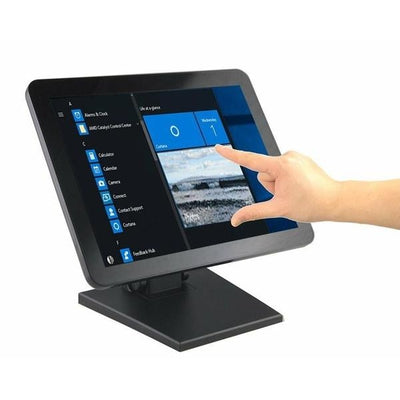
POS software today has the ability to sync, which is crucial for companies with both a physical presence and an online one. The merchandise displayed in the store can be synchronized with online listings in real-time. This can prevent double-selling as well as stock mismatches. As shopping trends shift toward shopping with a hybrid approach where customers shop online but pick up items in stores, this integrated approach becomes indispensable.
The reason why integration is more crucial than ever
Integration is where the modern POS point of sale system truly shines. Gone are the days of managing multiple tools that do not “talk” to each other. A robust POS platform can be defined by its capability to connect inventory, sales management, staff management as well as accounting.
Think about the experience customers have. A simple scan at checkout can reveal the loyalty points of customers, apply relevant discounts, and then send an e-receipt directly to their email inbox, all without slowing the process. The backend of the sale updates revenue totals and availability of stock and daily reports. This allows for a more personalized shopping experience, while also reducing manual input and errors.
For business owners and managers, this level of insight is vital. They can adapt their pricing strategies and respond to market trends quicker with accurate current data.
The Long-Term Benefits of Smart Investment
It’s no wonder that many enterprises are investing in POS systems. They deliver measurable outcomes. Not only in speed or accuracy, but in the way they support smarter decision-making and long-term growth. No matter if you’re running a single location cafe or a rapidly growing chain of retailers, a properly-designed POS point of sale system helps to streamline your operations and uncover patterns that you might have missed.
Additionally, with the growth in consumer expectations that a modern point of sale setup is a vital but insignificant element of the customer experience. Customers today expect speedy checkouts, accurate stock updates and flexibility with electronic payments. Companies that meet these aspects build trust and can earn frequent visits.
Final Thoughts
Modern POS system is more than a checkout instrument, it’s a bridge between your company, its products and customers. Point of Sale POS Software allows you to comprehend your company at an even deeper level. It provides clarity in decision making and efficiency in execution.
In a market that is competitive, staying ahead means being informed, agile and customer-centric. If you have a sophisticated and integrated POS system your side, you not only are you making sales but also creating something sustainable.